| 01Register Data |
Data Vault |
Connect and catalog your source data eg: loans, applications, credit bureau pulls, deposit history. Register the tables and expose the columns you need as data elements. |
| 02Build Risk Attributes |
Feature Engineering |
Transform the raw data into policy-side variables that rules and scorecards consume, e.g., risk tiers, DPDs, DTI, PTI, and LTV ratios. |
| 03In-House Scorecards |
Model Studio |
Optionally register an internal member scorecard to use alongside FICO, useful for thin-file or new-to-credit segments. |
| 04Build The Policy |
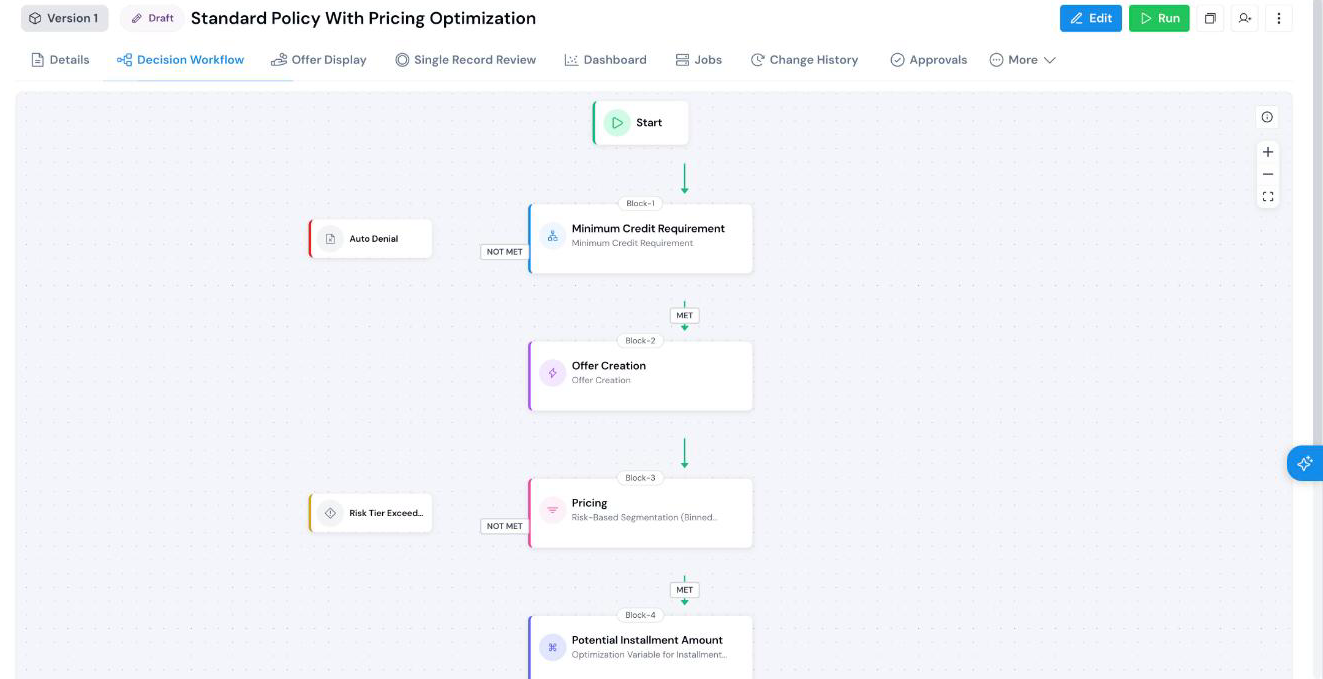
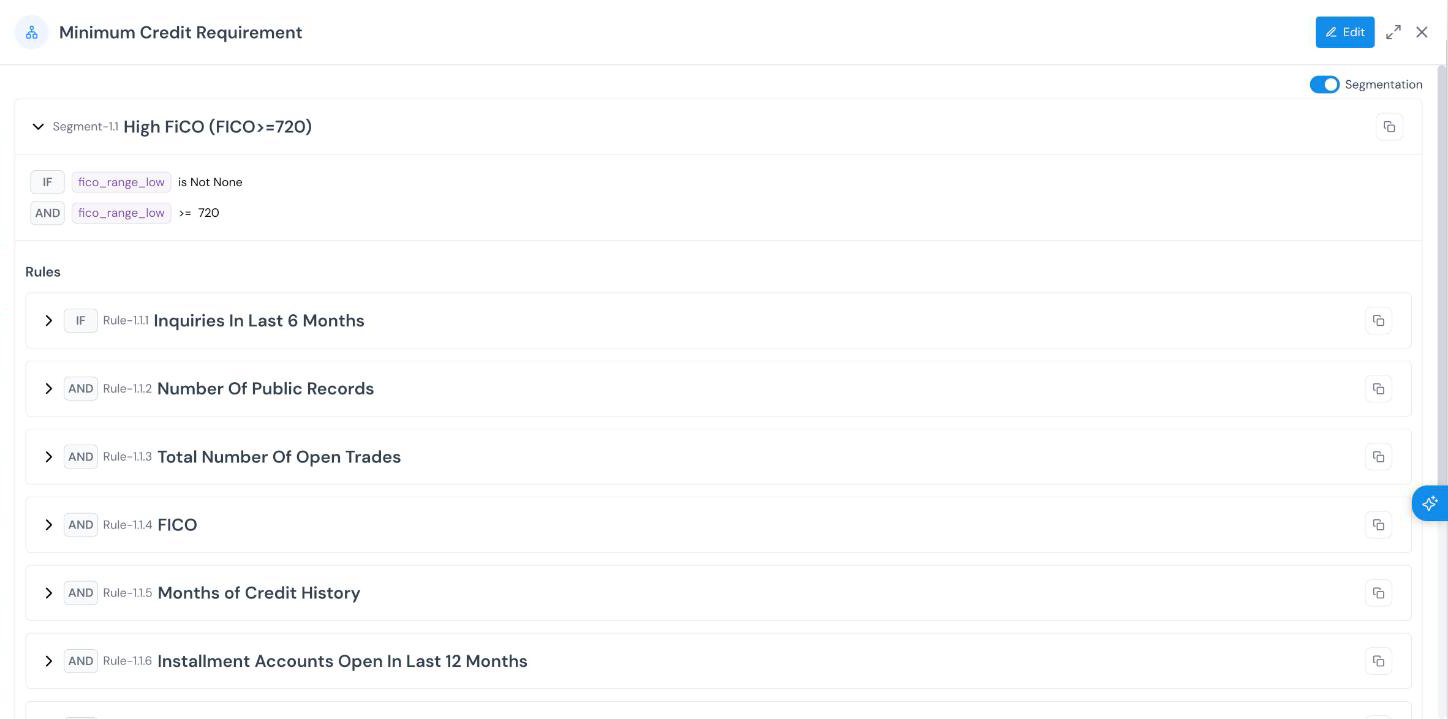
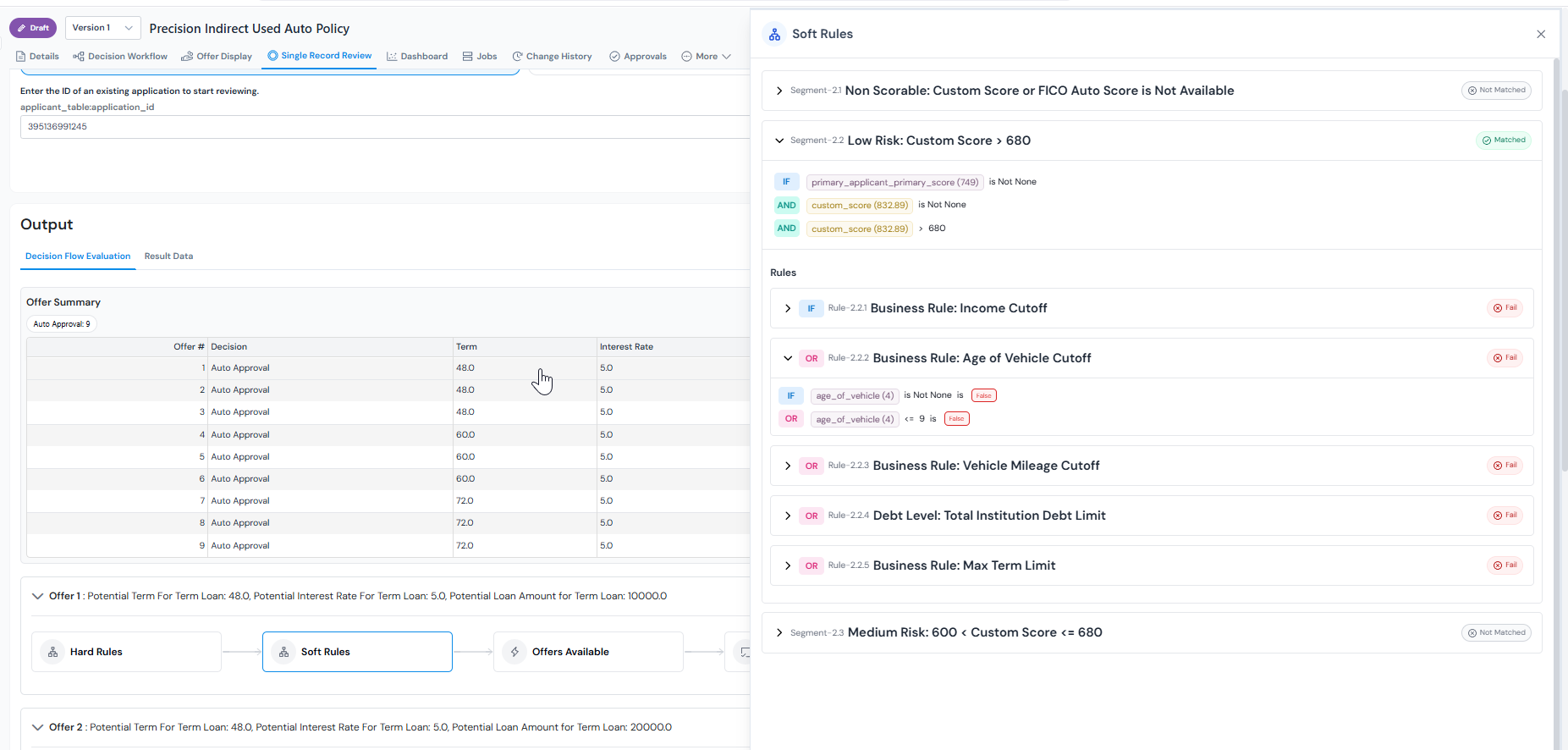
Underwriting |
Compose the decision workflow made of rules, cutoffs, routing, tier pricing, refer-to-underwriter paths, and approve/counter/decline outcomes. |
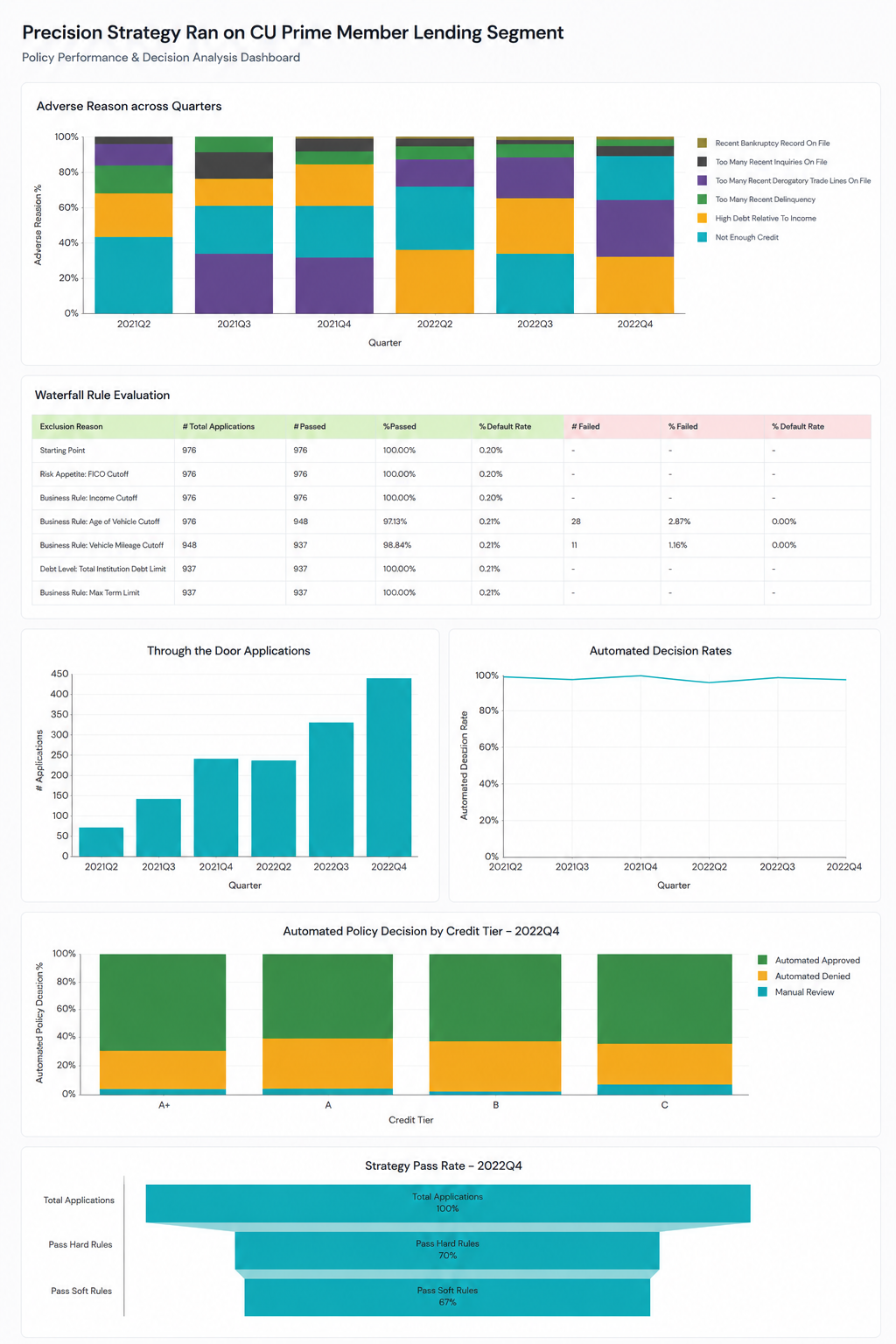
| 05Simulate |
Underwriting |
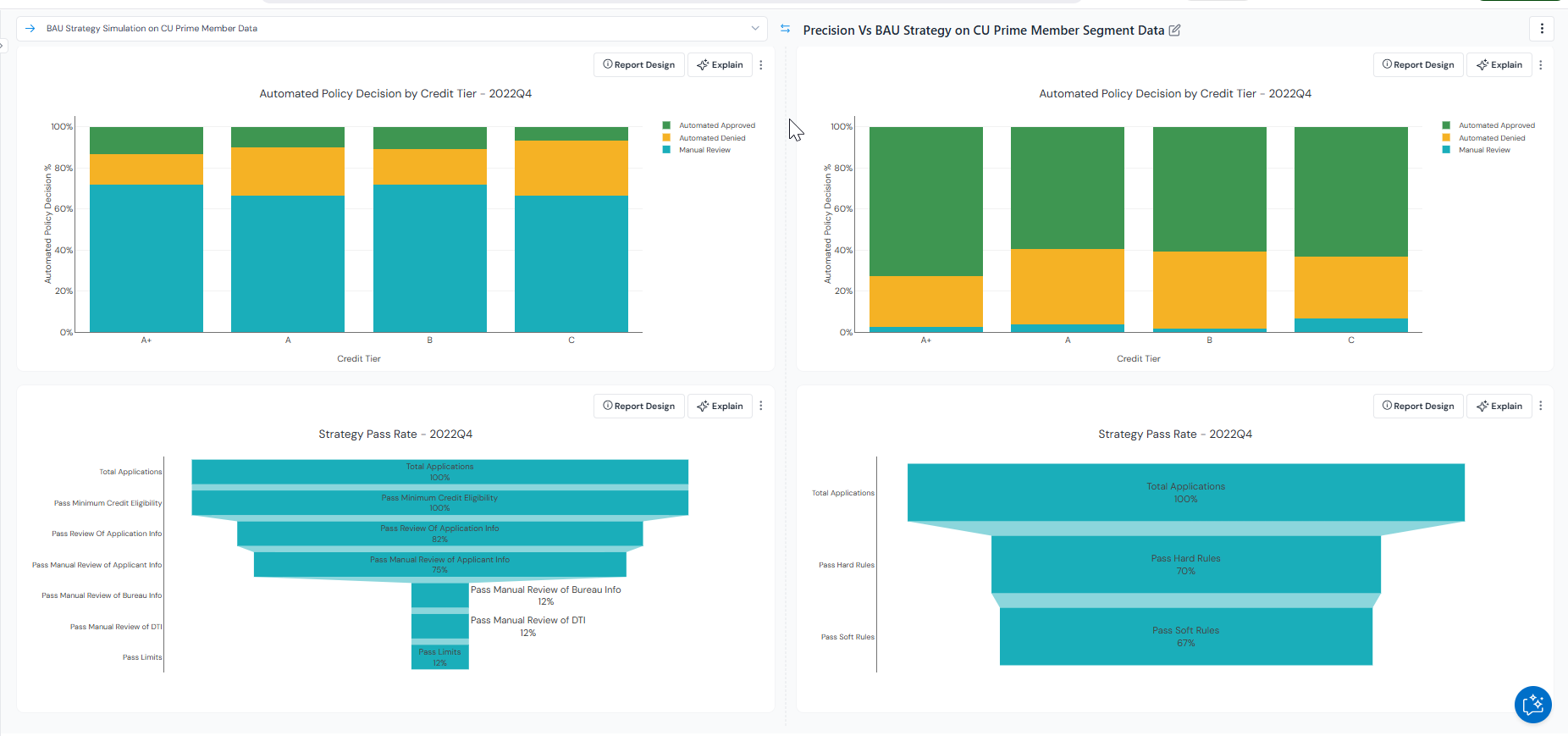
Replay the policy on past applications. Review approval rates by tier, why-declined breakdowns, and waterfall reports. Iterate across steps 04–05 until performance looks right. |
| 06Approve Policy |
Underwriting |
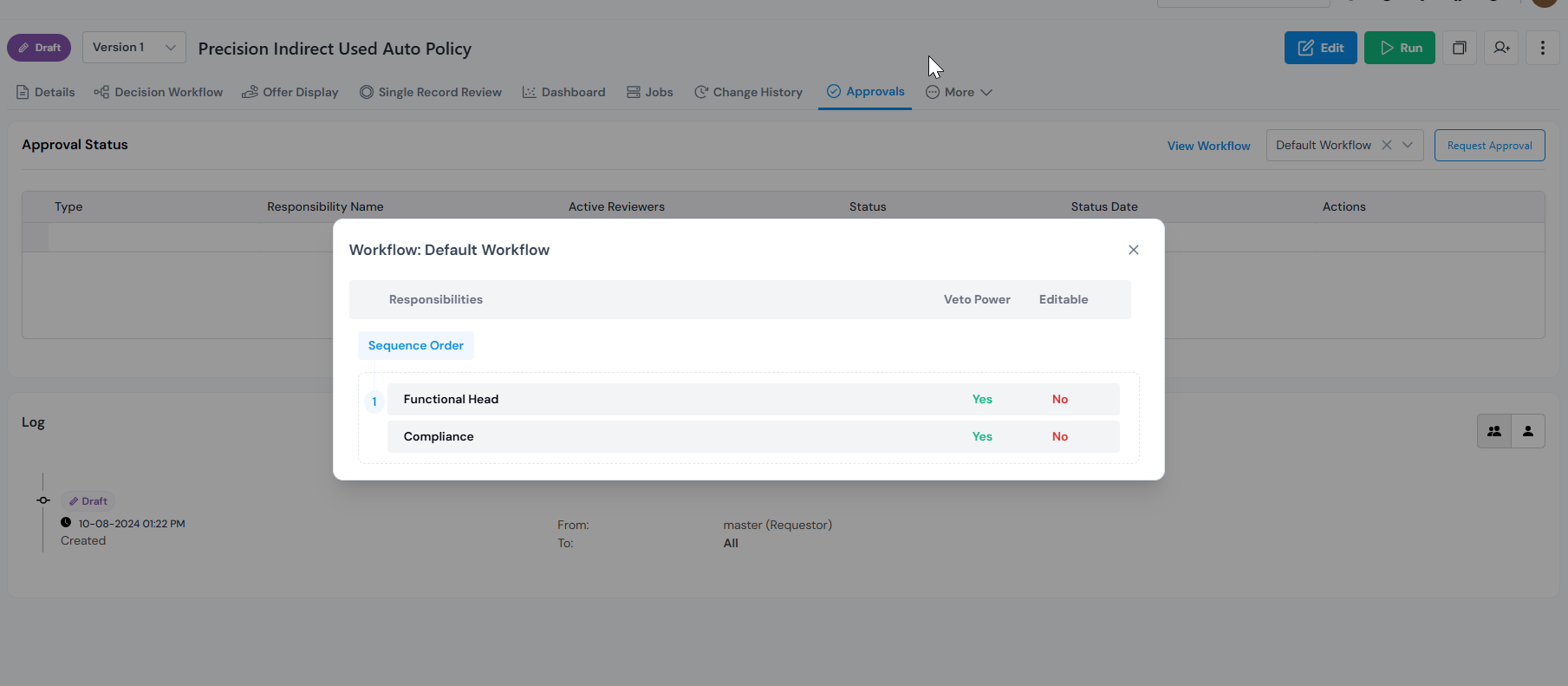
Route the locked version through credit committee review and sign-off with full audit trail and governance log attached. |
| 07Export Policy Package |
Underwriting |
Hand off to your LOS team as a deployable package: rules, cutoffs, and scorecard, exported as JSON or PMML or exposed as an API end point. |
| ··Your LOS & Core |
Your stack |
The exported package runs in your LOS and core (e.g., Fiserv Loan Director), producing live approve/counter/decline decisions on member applications. |
| 08Bring Data Back In |
Data Vault |
Flow applications, decisions, bookings, days past due, and charge-offs back into Corridor to close the loop. |
| 09Monitor Performance |
Underwriting |
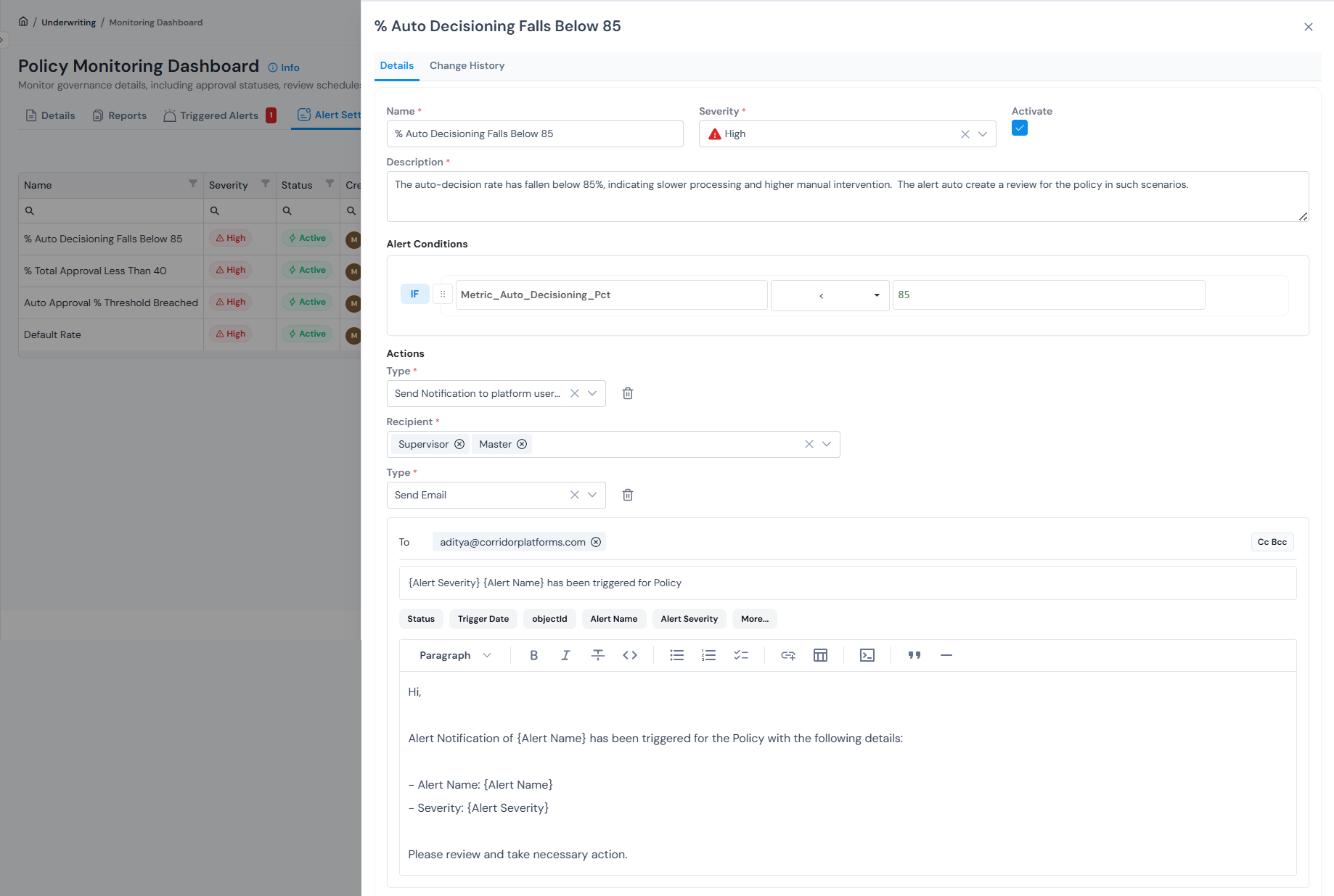
Track vintage and portfolio health: 30 / 60 / 90+ DPD, charge-off rate, fair lending. Set thresholdsm alerts to flag performance issues early on. When something drifts, refine attributes, models and re-approve through the same governed flow. |